Waking up to the smell of freshly baked scones is like a warm hug on a chilly morning—comforting, unexpected, and maybe a bit like that Taylor Swift surprise album drop last summer. These fluffy blueberry scones, kissed by a zesty lemon glaze, are a spirited dance of flavors that somehow remind me of a vibrant spring day, even in the dead of winter. Perfect with a cup of tea or just on their own, they’re a burst of sunshine on a plate.
Steps
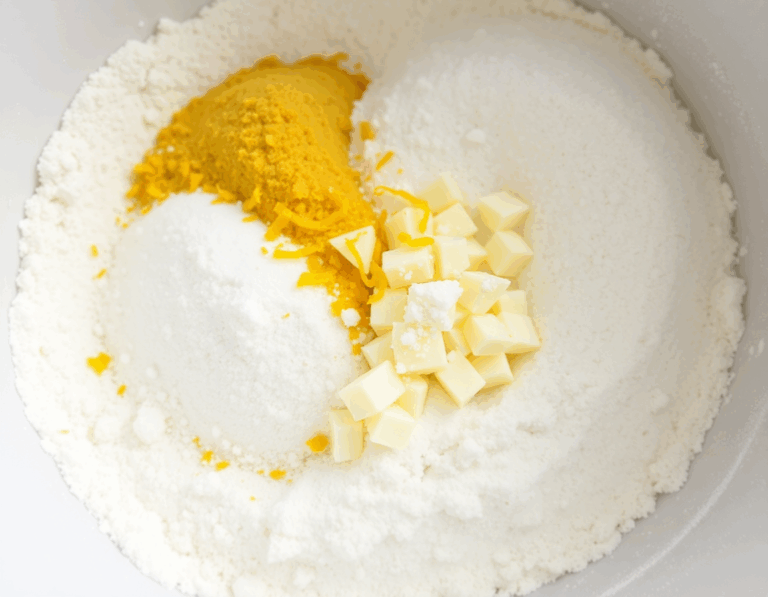
- Combine the flour, sugar, lemon zest, baking powder, and salt in a large bowl. Grate the frozen butter using the large holes of a box grater, then mix it into the flour mixture until it resembles pea-sized crumbs. Freeze the bowl while preparing other ingredients.
- In a separate small bowl, whisk together the heavy cream, egg, and vanilla extract. Remove the flour mixture from the freezer, drizzle the cream mixture over it, add the blueberries, and gently mix until just combined.
- Lightly flour a work surface and pour the crumbly mixture onto it. Use floured hands to form the dough into a sticky ball, then press it into an 8-inch round disc about 1 inch thick. Cut the disc into 8 wedges using a sharp knife or bench scraper.
- Mix the remaining cream with water in a small bowl and brush it over the scones. Optionally, sprinkle with coarse sugar for added sweetness. Place the scones on a lined baking sheet and refrigerate for at least 15 minutes or up to 24 hours.
- Preheat the oven to 400°F (204°C) and line a baking sheet with parchment paper or a silicone mat. Arrange the chilled scones on the sheet, spacing them 2–3 inches apart, and bake for 22–25 minutes until golden brown.
- Allow the scones to cool on the baking sheet for 5 minutes. Meanwhile, make the lemon icing by whisking together confectioners’ sugar and lemon juice in a small bowl. Drizzle the icing over the cooled scones before serving.
- Store any leftover scones in an airtight container at room temperature for up to 2 days or refrigerate for up to 5 days.
Ingredients
- 2 cups (250g) all-purpose flour, plus extra for hands and work surface
- 6 tablespoons (75g) granulated sugar
- 1 tablespoon lemon zest
- 2 1/2 teaspoons baking powder
- 1/2 teaspoon salt
- 1/2 cup (113g) unsalted butter, frozen
- 1/2 cup + 1 tablespoon (135ml) heavy cream, cold, divided
- 1 large egg, cold
- 1 1/2 teaspoons vanilla extract
- 1 heaping cup (140g) fresh blueberries
- 1 tablespoon (15ml) water
- Optional: coarse sugar for topping
- 1 cup (120g) confectioners’ sugar
- 3 tablespoons (45ml) fresh lemon juice
FAQ
- Can I use frozen blueberries instead of fresh ones?
- Yes, you can use frozen blueberries for this recipe. However, make sure not to thaw them before adding to the dough, as this will prevent excess moisture and ensure the scones maintain their texture.
- What is the purpose of using frozen grated butter in the scone recipe?
- Frozen grated butter is crucial for achieving the desired texture in scones. As the scones bake, the small butter pieces melt, releasing steam that creates flaky layers and a crumbly texture.
- How can I store the scones, and do they freeze well?
- Store leftover scones in an airtight container at room temperature for up to 2 days or in the refrigerator for up to 5 days. They can also be frozen before or after baking. If freezing before baking, freeze the dough wedges on a baking sheet, then transfer to a freezer bag. If freezing after baking, let them cool completely before storing. Thaw as needed and warm before serving.
- What can I use if I don’t have heavy cream for the recipe?
- If you don’t have heavy cream, you can substitute it with buttermilk. For a non-dairy alternative, full-fat canned coconut milk is a good option. Avoid using thinner liquids like regular milk or almond milk, as they may result in flat, dry scones.
- How can I prevent my scones from spreading too much during baking?
- Ensure the scone dough is very cold before baking to minimize spreading. If you notice over-spreading while baking, you can reshape them using a rubber spatula. Refrigerating the shaped scones for at least 15 minutes before baking can also help maintain their shape.
Tips
- Use Frozen Grated Butter: For the flakiest scones, grate frozen butter and mix it into the dry ingredients. This ensures the butter remains cold until baking, creating a flaky texture as it melts and releases steam.
- Keep the Dough Cold: To achieve the best results, keep the scone dough as cold as possible. Chill the formed scones for at least 15 minutes before baking to maintain their shape and texture.
- Brush with Cream and Add Sugar: Before baking, brush the scones with a mixture of heavy cream and water, and sprinkle with coarse sugar. This step enhances the scones with a golden, crunchy top.
- Freeze for Later Use: If planning ahead, freeze the shaped scones before baking. You can bake them directly from frozen, adding a few extra minutes to the baking time, or thaw them in the refrigerator overnight.
Equipment
- Box Grater – For grating the frozen butter.
- Pastry Cutter – Used to blend butter into the flour mixture.
- Citrus Juicer – For juicing lemons for the icing.
- Citrus Zester – To zest lemons for the scone dough.
- Bench Scraper – For cutting the dough into wedges.
- Silicone Baking Mat – An alternative to parchment paper for lining the baking sheet.