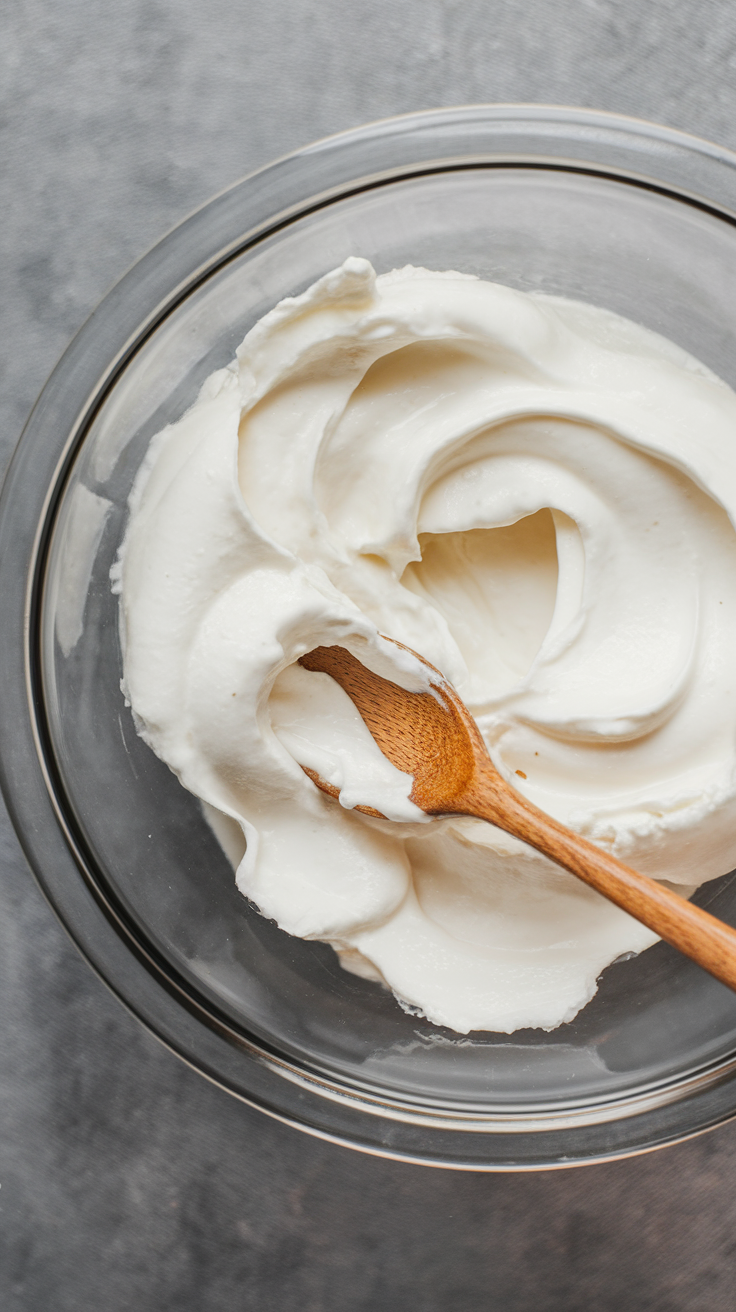
Coconut yogurt, oh how I adore you—creamy, tangy, and surprisingly simple to make at home. I remember the first time I tried making it; I was skeptical but also oddly excited, like discovering a forgotten treasure in my own kitchen. And now, every spoonful feels like a mini tropical escape, especially during those dreary winter months when a little sunshine in a jar is just what I need.
Steps
- Shake the can of coconut milk well, and then pour it into a clean, sterilized glass jar or bowl. Stir the coconut milk with a whisk to ensure a smooth consistency, as it may have separated.
- Open the probiotic capsules and sprinkle their contents into the coconut milk. Use a wooden or plastic spoon to stir the mixture until it is creamy and smooth, making sure the probiotics are evenly distributed.
- Cover the jar or bowl with cheesecloth or a thin dish towel, securing it with a rubber band to allow air circulation while keeping bugs out. Let the mixture sit in a warm place for 24 to 48 hours to activate, adjusting the time based on desired tanginess.
- Once the yogurt has reached your preferred level of tanginess and thickness, cover it with a lid and refrigerate. The cooling will thicken the yogurt further, resembling Greek yogurt in consistency.
- For a thicker consistency, you can strain the yogurt using a fine mesh strainer lined with cheesecloth, allowing it to drain in the refrigerator overnight. Enjoy your coconut yogurt plain or with your choice of sweeteners and flavorings. Store in the refrigerator for up to 7 days.

Ingredients
- 1 can (14-ounce) full-fat coconut milk (preferably organic)
- 2 capsules vegan-friendly probiotic (must be capsules, not pills)
- ins:
- Maple syrup, stevia, or agave nectar for sweetening
- Vanilla extract or vanilla bean powder
- Fruit or fruit compote
- Recommended coconut milk brands include Savoy Coconut Cream, Aroy-D Coconut Milk, and Whole Foods 365 full fat (BPA-free).
Nutritional Values
Calories: 720 | Carbohydrates: 12 g | Protein: 6 g | Fat: 72 g | Saturated Fat: 60 g | Trans Fat: 0 g | Cholesterol: 0 mg | Sodium: 150 mg | Sugar: 6 g
FAQ
- Can I use any brand of coconut milk for this recipe?
- It’s crucial to use a high-quality, full-fat coconut milk for the best results. Brands like Whole Foods 365, Savoy Coconut Cream, and Aroy-D Coconut Milk are recommended due to their creamy texture. Avoid brands like Trader Joe’s, which might have a grainy consistency.
- What kind of probiotics should I use for the coconut yogurt?
- Use vegan-friendly probiotic capsules, ensuring they do not contain prebiotics. Options like Renew Life Ultimate Flora or Jarrow Probiotic are suitable choices. The capsules should be opened and the contents mixed into the coconut milk.
- What should I do if my yogurt separates during the fermentation process?
- Separation is normal. You can either stir the yogurt to mix it back together or refrigerate it as is, and then scoop off the creamy top layer for use.
- How can I tell if the yogurt has gone bad?
- If the yogurt develops unusual colors, an off-putting smell, or mold, it should be discarded immediately. It should taste tangy but not spoiled.
- How can I make the yogurt thicker?
- For a thicker consistency, strain the yogurt using cheesecloth over a fine mesh strainer, allowing it to drain in the refrigerator for several hours until it reaches the desired thickness.
Tips
- Choose the Right Coconut Milk: Opt for full-fat coconut milk, preferably from recommended brands like Whole Foods 365, Savoy, or Aroy-D, as they tend to yield a creamier and smoother yogurt. Brands without guar gum might lead to separation, so stir well if this occurs.
- Use High-Quality Probiotics: Ensure your probiotic capsules are high quality and free of prebiotics. Vegan options like Jarrow Probiotic 10 billion have been tested with success in this recipe.
- Avoid Metal Utensils: When mixing the probiotic into the coconut milk, use a wooden or plastic spoon instead of metal, as metal can interfere with the probiotics.
- Control the Fermentation Environment: For best results, let the yogurt ferment in a warm environment (around 75°F / 23°C). In cooler climates, placing it in the oven with just the light on can provide the necessary warmth.
Equipment
- Ingredient Coconut Yogurt, here is a list of main equipment items that you might need to purchase on Amazon, particularly if you don’t already have them at home:
- Cheesecloth – Used to cover the yogurt mixture to allow it to breathe while keeping out contaminants.
- Glass Jar – A sterilized glass jar is needed for fermenting the yogurt. The Weck jars mentioned in the recipe are a good option.
- Probiotic Capsules – Specifically vegan-friendly capsules without prebiotics, like Renew Life Ultimate Flora or Jarrow Probiotic.
- Wooden or Plastic Spoon – Required to stir the mixture without negatively affecting the probiotics.