Picture this: you’re deep in the keto groove, and meal planning is your new best friend—except when it’s not. Some days, the thought of another avocado makes you question your life choices, but wait!
This guide, almost like a culinary compass, is here to save you from the monotony. Let’s shake things up with a sprinkle of creativity and a dash of spontaneity, because keto doesn’t have to mean predictable.
Steps
- Begin by selecting a protein source such as beef, chicken, or fish. Ensure the portion size meets your daily protein goal without exceeding it.
- Choose low-carb vegetables like broccoli, zucchini, or leafy greens to accompany your protein. Aim for veggies that primarily grow above ground for the best results.
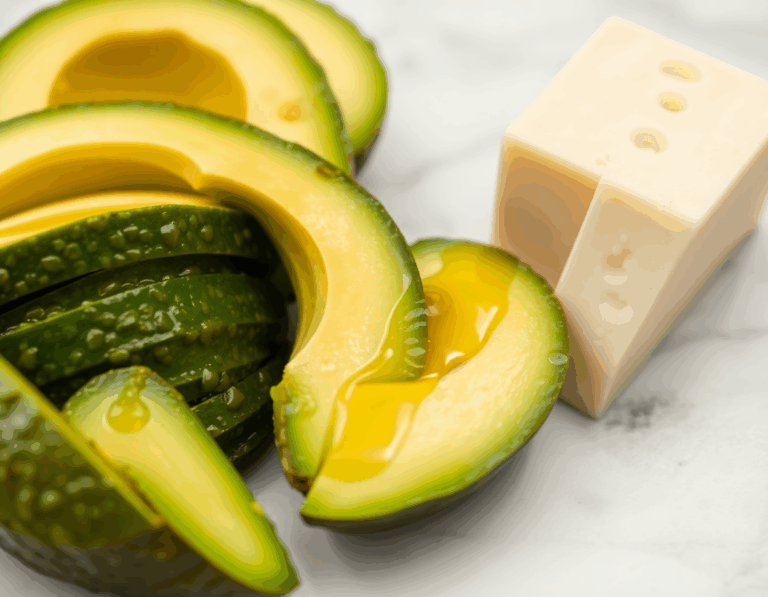
- Add a healthy fat source, such as avocado, olive oil, or cheese, to complete your meal. Adjust the fat quantity based on your energy needs and dietary goals.
- Keep your carbohydrate intake low to maintain ketosis, ideally under 20-25 grams of net carbs daily. Use low-carb vegetables as your primary carb source to naturally reach this limit.
- Monitor your protein intake to meet your daily requirement, avoiding excessive amounts that might convert to sugar, potentially disrupting ketosis.
- Adjust your fat intake as needed to support your energy needs, increasing it for muscle gain or decreasing it for weight loss. Remember, fat is your main energy source on keto.
- Experiment with keto food swaps to replace high-carb foods with keto-friendly alternatives. Utilize almond flour instead of white flour or monk fruit as a sugar substitute, for example.
- Ensure adequate electrolyte intake to prevent keto flu by consuming sodium, magnesium, and potassium-rich foods like bone broth, seaweed, and avocados.
Ingredients
- Beef
- Chicken
- Pork
- Eggs
- Lamb
- Turkey
- Fish
- Shellfish
- Protein powder
- Venison
- Cauliflower
- Broccoli
- Zucchini
- Leafy greens
- Cucumbers
- Brussels sprouts
- Cabbage
- Asparagus
- Radishes
- Bell peppers
- Jicama
- Celery
- Butter
- Avocado oil
- Cheese
- Bacon
- Avocado
- Lard
- Ghee
- Mayo
- Nuts
- MCT oil
FAQ
- What is the basic formula for a keto meal?
- The fundamental keto meal formula consists of a combination of protein, low-carb vegetables, and fats. Aim for moderate protein, mostly above-ground veggies, and ample fats to achieve an ideal macro ratio of approximately 60-75% calories from fat, 20-25% from protein, and 5-10% from carbohydrates.
- How do macros work in a keto diet?
- Macros, short for macronutrients, are the key components of your diet: fats, proteins, and carbohydrates. In a keto diet, limiting carbs is crucial to enter ketosis, where your body uses fat for energy. Typically, you start with 20-25 grams of net carbs daily, adjusting as needed to maintain ketosis.
- What are some common food swaps for a keto diet?
- You can replace sugar with sweeteners like monk fruit or allulose, white flour with almond or coconut flour, and breadcrumbs with pork rinds or almond flour. For liquids, swap milk with almond or coconut milk and soda with flavored sparkling water.
- What foods should be avoided on a keto diet?
- On a keto diet, steer clear of white flour, sugar, rice, grains, processed foods, most fruits like apples and bananas, and sweetened beverages. These foods are high in carbohydrates and can disrupt ketosis.
- What are the different types of keto diets?
- There are several approaches to keto: Strict Keto involves counting all macros and consuming up to 20-30g net carbs daily; Lazy Keto focuses only on net carbs; Dirty Keto allows processed foods if they fit your macros; and Low Carb permits 50-100g net carbs daily, with less strictness. Choose according to your lifestyle and goals.
Tips
- When preparing keto meals, remember the simple formula: protein + low-carb veggies + fat. Choose moderate protein sources like chicken or fish, pair with above-ground vegetables such as broccoli or asparagus, and add healthy fats like avocado or cheese to maintain the ideal macro ratio.
- Keep your carbohydrate intake low to enter and maintain ketosis effectively. Start with a target of 20-25 grams of net carbs per day and adjust as needed to sustain ketosis. Focus on getting most of your carbs from low-carb vegetables.
- Balance your macronutrients by understanding their roles: protein should be a daily target to support muscle health, while fat acts as a lever for energy and satiety. Adjust your fat intake based on your weight and fitness goals, increasing for muscle gain or decreasing for weight loss.
- To avoid the keto flu and maintain optimal health, ensure adequate intake of electrolytes such as sodium, magnesium, and potassium. Incorporate foods like bone broth, avocado, and leafy greens into your diet to naturally replenish these essential nutrients.
Equipment
- Food Processor or Blender – For making cauliflower rice or blending keto-friendly smoothies.
- Spiralizer – To make vegetable noodles (e.g., zucchini noodles).
- Baking Mats or Parchment Paper – Useful for baking keto-friendly bread or cookies without sticking.
- Silicone Molds – For creating keto fat bombs or other snacks.
- Digital Kitchen Scale – For accurate measurement of ingredients, especially when counting macros.
- Cast Iron Skillet – For versatile cooking, including frying and baking.
- Instant Pot or Slow Cooker – For easy preparation of keto meals.
- Air Fryer – For making crispy low-carb dishes with less oil.