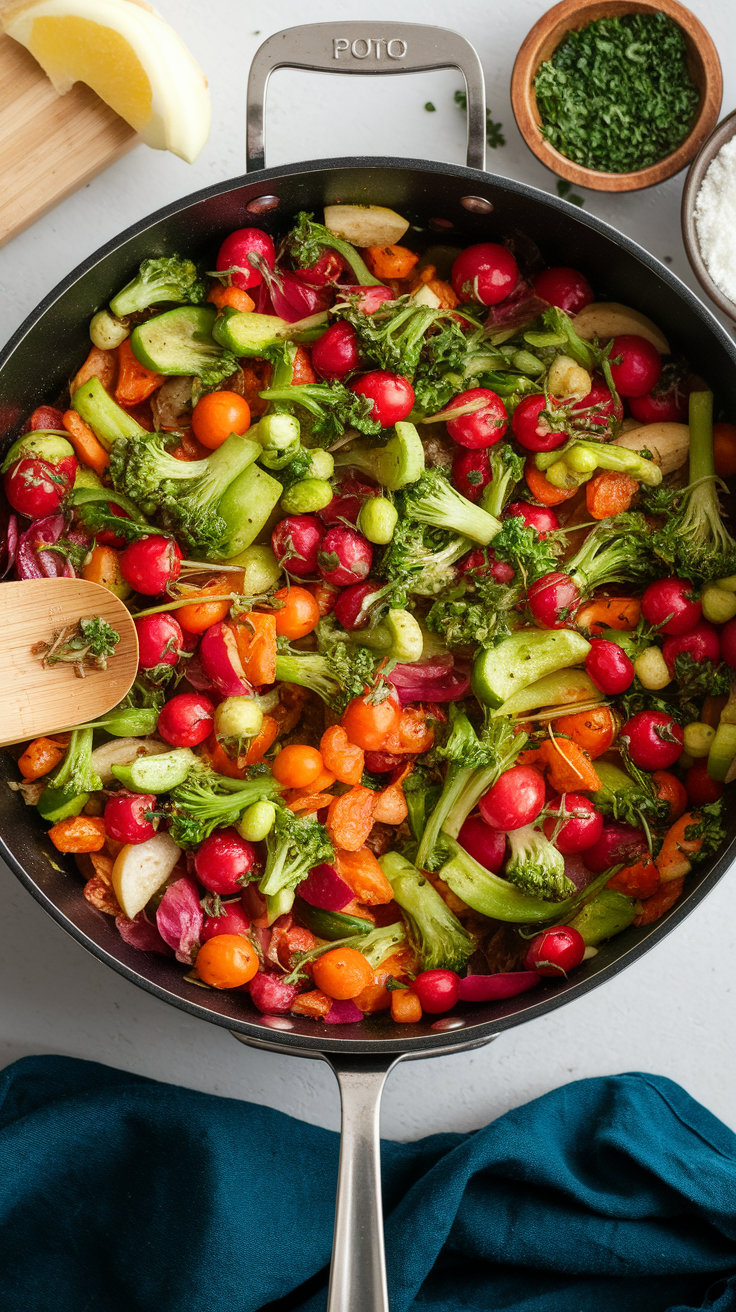
Oh, the simple joy of sautéed vegetables—it’s like a colorful dance of flavors in a hot pan, each veggie taking its turn to shine. Lately, I’ve been obsessed with quick and healthy meals, especially since my favorite local market started stocking the freshest produce. Whether it’s the crunch of bell peppers or the sweetness of carrots, this recipe turns ordinary veggies into a vibrant, irresistible dish that somehow feels both indulgent and virtuous.
Steps
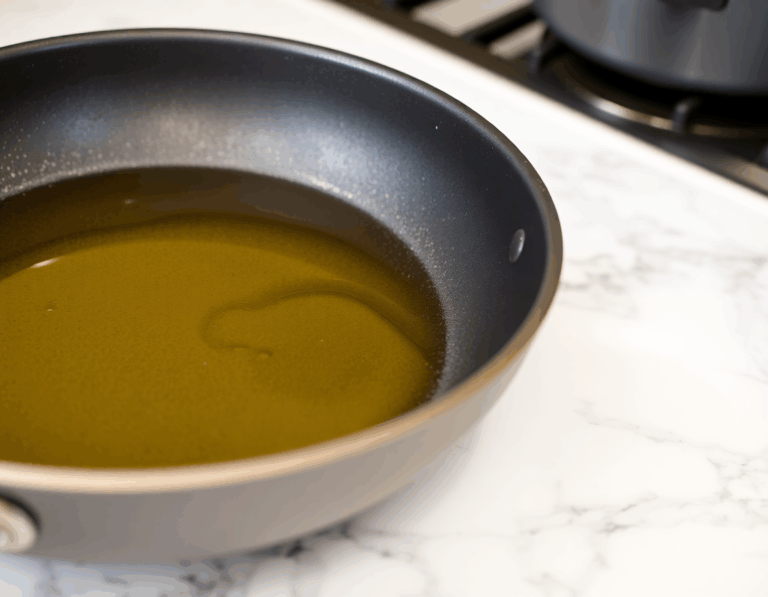
- Begin by heating olive oil in a 12-inch skillet over medium-high heat. This prepares the pan for cooking the vegetables.
- Add the bell pepper, carrots, onion, and broccoli to the skillet. Sauté these vegetables for about 4 minutes, stirring occasionally to allow them to brown slightly.
- Incorporate the squash into the pan and continue to sauté for an additional 3 minutes. This ensures the softer vegetable cooks through without becoming mushy.
- Mix in the minced garlic and thyme, and season the vegetables with salt and pepper to your preference. Sauté for 2 more minutes, or until the vegetables are tender.
- Garnish the finished dish by sprinkling parsley and drizzling lemon juice over the vegetables. Optionally, serve with grated parmesan for added flavor.
Ingredients
- 3 tablespoons olive oil
- 1 medium red bell pepper, chopped
- 2 medium carrots, peeled and sliced thinly (approximately 1 cup)
- 1/2 medium red onion, chopped (approximately 1 cup)
- 2 1/2 cups broccoli florets, cut into bite-sized pieces
- 1 medium yellow squash, thick portion halved and all sliced
- 1 1/2 teaspoons minced garlic
- 1 1/2 teaspoons fresh thyme leaves (or 1/2 teaspoon dried thyme as a substitute)
- Salt and freshly ground black pepper to taste
- 2 tablespoons chopped fresh parsley
- 1 1/2 teaspoons fresh lemon juice
- 1/4 cup grated parmesan cheese, optional
Nutritional Values
Calories 780 | Calories from Fat 468 | Fat 52g | Saturated Fat 12g | Polyunsaturated Fat 4g | Monounsaturated Fat 32g | Cholesterol 20mg | Sodium 652mg | Potassium 2436mg | Carbohydrates 64g | Fiber 20g | Sugar 28g | Protein 24g | Vitamin A 30716IU | Vitamin C 496mg | Calcium 628mg | Iron 8mg
FAQ
- Can I use frozen vegetables instead of fresh ones for sautéing?
- It is recommended to use fresh vegetables rather than frozen ones since they result in a better texture when cooked.
- Why do I need to add certain vegetables later in the cooking process?
- Vegetables with a softer texture, like squash or zucchini, should be added later in the sautéing process to prevent them from becoming too mushy.
- Is it necessary to use olive oil, or can I substitute it with another type of oil?
- While olive oil is commonly used, you can substitute it with other oils such as avocado oil or coconut oil.
- What are some alternative vegetables I can use in this recipe?
- You can replace some of the listed vegetables with options like cauliflower, asparagus, zucchini, peas (in their pod), grape tomatoes, eggplant, corn kernels, or mushrooms. Just ensure they are quick-cooking vegetables.
- How can I enhance the flavor of these sautéed vegetables?
- To enhance the flavor, consider using a variety of herbs or spices. Additionally, finishing with a sprinkle of parmesan cheese adds a nice touch of flavor.
Tips
- Use Fresh Vegetables: For the best texture and flavor, opt for fresh vegetables rather than frozen ones.
- Timing is Key: Start by sautéing the firmer vegetables like broccoli and onions first, then add the softer ones like squash and zucchini later to prevent them from becoming mushy.
- High Heat and Minimal Tossing: Use fairly high heat and toss the vegetables only occasionally. This helps achieve a nice browning and enhances the flavor.
- Don’t Skimp on Seasoning: Ensure you season well with salt and other spices or herbs to avoid bland-tasting vegetables.
Equipment
- 12-inch Skillet